The Question Not Asked
Before your next meeting, ask this one question
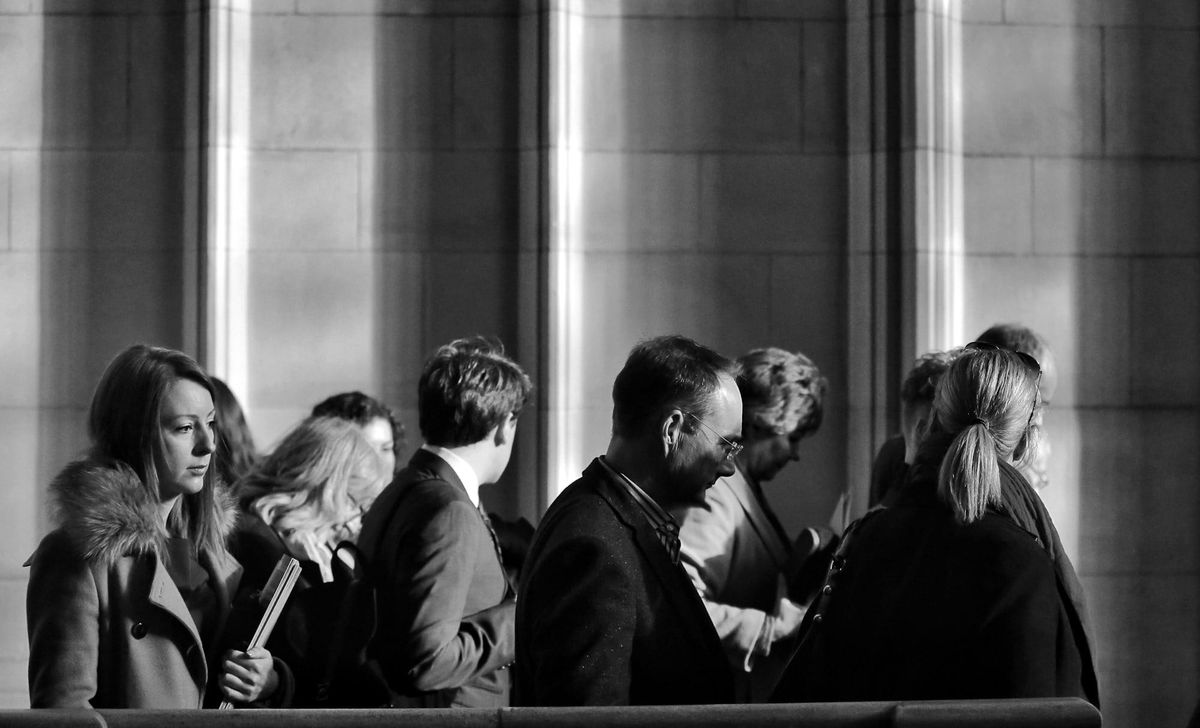
Before your next meeting, ask one question: What do you need from this conversation?
Not as a formality. Not as a warm-up before you launch into your prepared material. As a genuine question, with genuine patience for the answer.
In practice, almost nobody does this. Walk into a room and ask, “What would make this meeting useful for you?” and people look at you as if something has gone wrong. The assumption—on both sides—is that the agenda is already set, the presentation is already loaded, and the meeting is a delivery mechanism, not a conversation.
That assumption is where most deals begin to die.
The most expensive meetings in international business are not the ones that end in disagreement. They are the ones that end with both sides nodding politely, having spent two hours talking past each other without either side knowing it.
One question at the start prevents most of that. It takes less than ten seconds. It costs nothing. Not only that, but it occasionally produces an answer that entirely changes what you were about to say—which is precisely the point.
If the answer surprises you, you needed to hear it. If the answer confirms what you already knew, you have lost nothing. If nobody answers, you have learned something important about the room as well.
There is no version of asking that makes things worse.
And even when business does not follow immediately—it leaves something real. A room that felt genuinely heard remembers the person who asked. Not the slides, not the credentials. The person.
Human connection is the only thing in a meeting that cannot be undone by a better competitor or a lower price. And it starts with one question, sincerely meant.
Read next: What happened in a London boardroom when nobody asked—and what a senior French manager's three questions revealed about a two-hour presentation that had missed its audience entirely in The Longest Presentation.

